Pressure Equipment Directive Certification
The Pressure Equipment Directive (PED) 2014/68/EU is a European regulatory requirement that ensures the safe design, manufacture, inspection, and conformity of pressure equipment with a maximum allowable pressure greater than 0.5 bar. PED certification is mandatory for pressure equipment and assemblies placed on the European Union (EU) and European Economic Area (EEA) markets.
PED applies to equipment such as pressure vessels, boilers, heat exchangers, piping systems, safety accessories, and pressure accessories used across industries including oil & gas, power generation, chemical processing, pharmaceuticals, and manufacturing. The certification process involves equipment categorization, design assessment, material verification, manufacturing control, inspection, testing, and where applicable, involvement of a Notified Body.
Benefits
Regular inspections help ensure that pressure equipment & Directive certification comply with local and international safety regulations and standards. This is vital for creating a safe working environment and reducing the risk of accidents and injuries.
Thorough inspections identify potential issues and defects in pressure equipment & Directive certification before they escalate into major problems. This proactive approach allows for timely repairs and maintenance, minimizing the risk of equipment failure and accidents.
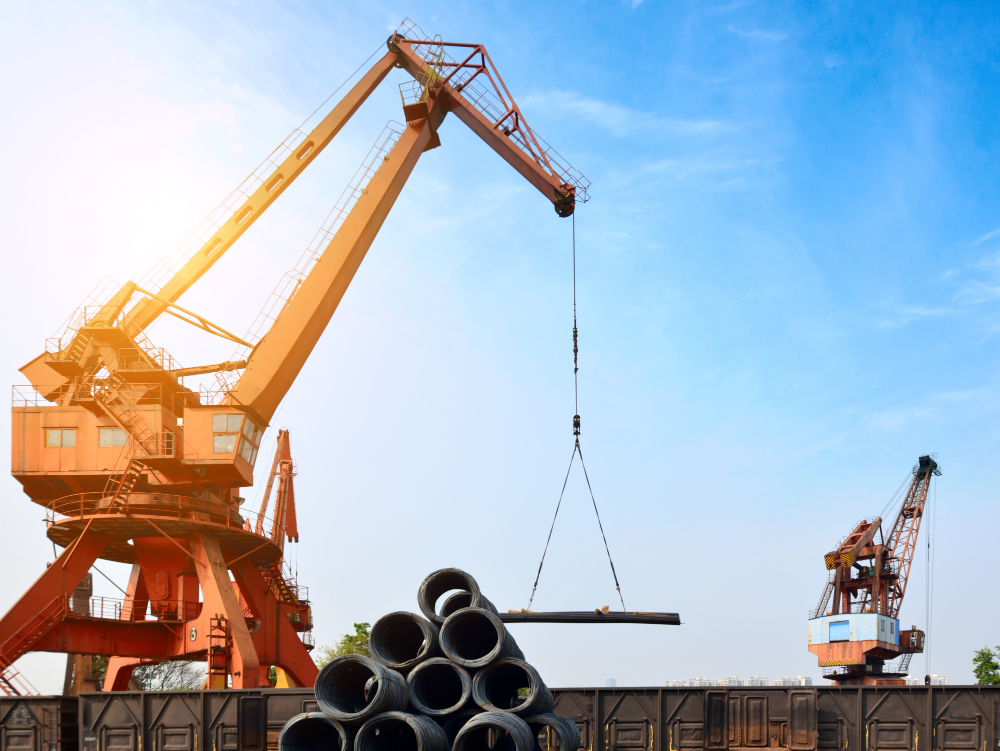
Regular inspections and proper maintenance contribute to the longevity of lifting equipment and cranes. By addressing minor issues promptly, the need for major repairs or premature replacement is reduced, saving both time and resources.
Well-maintained and regularly inspected pressure equipment & Directive certification operates more efficiently. This leads to increased productivity, as downtime due to unexpected breakdowns is minimized, and the equipment can be used at its optimal capacity.
Many jurisdictions have stringent regulations governing the operation and maintenance of pressure equipment & Directive certification. Regular inspections help businesses remain compliant with these regulations, avoiding legal consequences and potential fines.
Insurance providers often require proof of regular inspections and maintenance to ensure coverage in case of accidents. Complying with inspection protocols can help businesses meet insurance requirements and secure coverage.
While there is an initial cost associated with inspections and maintenance, the long-term benefits include reduced repair costs, decreased downtime, and avoidance of costly accidents. This translates into significant cost savings over the lifespan of the lifting equipment.