
Fire Safety
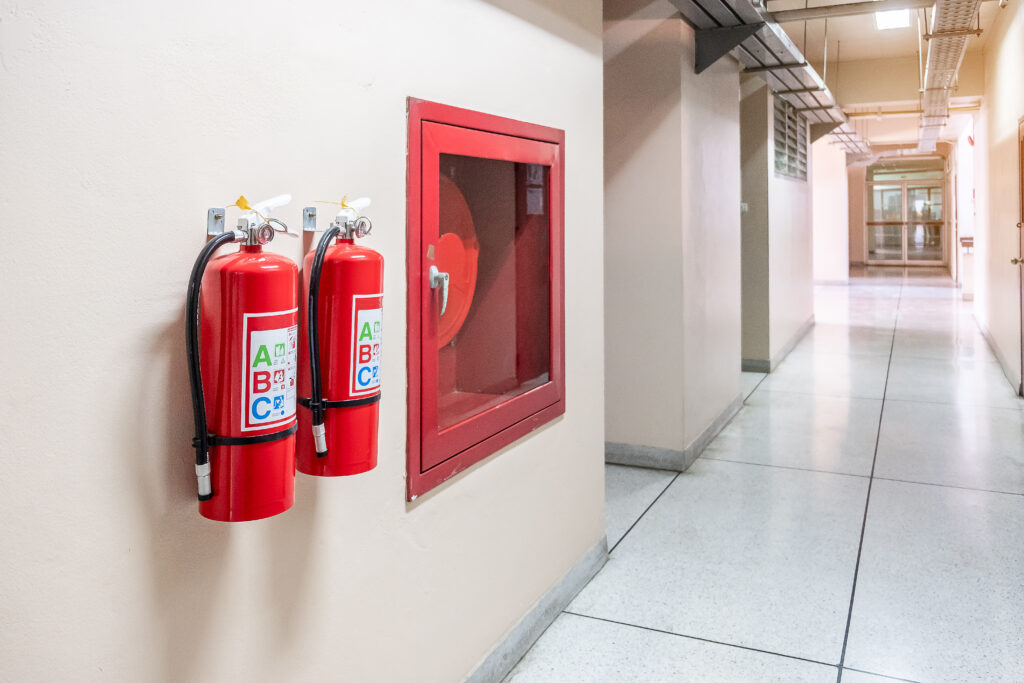
A Fire Safety Course is designed to equip individuals with the knowledge and skills necessary to prevent, manage, and respond to fire-related emergencies. This course covers fundamental aspects of fire safety, including fire behavior, evacuation procedures, and the proper use of firefighting equipment. Participants gain a comprehensive understanding of fire prevention measures and emergency response strategies to enhance safety in various settings, such as workplaces, residential areas, and public spaces.
Benefits
Participants acquire foundational knowledge about the nature of fires, fire prevention techniques, and the importance of early detection.
The course enhances individuals' ability to respond effectively in the event of a fire, including proper evacuation procedures and the use of fire safety equipment.
Understanding fire safety principles enables individuals to identify and mitigate potential fire hazards, reducing the overall risk of fire incidents.
Completion of a Fire Safety Course ensures compliance with safety regulations and standards, promoting a safer environment for both individuals and property.
Fire Warden
A Fire Warden Course is tailored for individuals tasked with the responsibility of being fire wardens or marshals within an organization. This course goes beyond basic fire safety knowledge, providing in-depth training on fire prevention, evacuation coordination, and leadership during emergencies. Fire wardens play a crucial role in ensuring the orderly and safe evacuation of occupants during a fire incident.

Benefits
Participants develop leadership skills specific to emergency situations, enabling them to take charge and coordinate effective responses as fire wardens.
The course equips individuals with the knowledge to create and execute evacuation plans, ensuring a swift and organized evacuation in the event of a fire.
Understanding hazard identification and risk assessment methodologies ensures compliance with aviation safety regulations and industry standards.
Completion of the Fire Warden Course ensures that designated individuals meet regulatory requirements for fire safety leadership roles within an organization.
Emergency Preparedness and Response
An Emergency Preparedness & Response Course is designed to prepare individuals to respond effectively to a range of emergencies, including fires, natural disasters, and other critical incidents. This course covers the principles of emergency response planning, coordination, and execution. Participants learn to assess situations, make quick decisions, and implement appropriate actions to safeguard lives and property.
Benefits
Emergency preparedness and response helps protect employees, visitors, and assets by ensuring everyone knows how to act quickly and correctly during emergencies, reducing injuries, loss of life, and property damage.
Having a structured emergency response system supports compliance with legal, occupational health, safety, and environmental regulations, helping organizations avoid penalties and legal consequences.
implementation of preventive measures to avoid accidents and incidents.
Effective preparedness enables faster response and recovery during incidents, reducing downtime and ensuring business continuity after emergencies.
Emergency preparedness builds a resilient organization that can adapt, respond, and recover from unexpected events, strengthening overall risk management and safety culture.
Fire Fighting Extinguishers
A Fire Fighting Extinguishers Course focuses on the proper selection, handling, and use of fire extinguishers. Participants learn about different types of fire extinguishers, fire classifications, and the techniques for effectively extinguishing various types of fires. This course is essential for individuals who may be required to use fire extinguishers as part of their role in fire safety.
Benefits
Participants gain practical skills in using fire extinguishers to suppress different types of fires, enhancing their ability to respond swiftly and effectively.
Knowledge of fire extinguishers allows individuals to intervene in the early stages of a fire, reducing the potential for the fire to escalate and cause more significant damage.
The course ensures that individuals are familiar with the operation and limitations of different types of fire extinguishers, promoting safe and efficient use.
Training in fire extinguisher use ensures compliance with safety regulations and standards, contributing to a safer environment for individuals and property.
Fire Risk Assessment
A Fire Risk Assessment Course is designed to train individuals in systematically assessing and managing fire risks within a given environment. Participants learn to identify potential fire hazards, evaluate the level of risk, and implement preventive measures to reduce the likelihood of fire incidents. This course is crucial for individuals involved in risk management and safety planning.
Benefits
The course provides a structured approach to identifying and assessing fire risks, ensuring a comprehensive and systematic evaluation.
Participants learn to implement proactive measures to mitigate identified fire risks, reducing the likelihood of fire incidents.
Completion of the Fire Risk Assessment Course ensures that individuals understand and adhere to regulatory requirements related to fire risk management.
The knowledge gained from risk assessments contributes to more effective emergency planning, enabling organizations to respond appropriately to potential fire incidents.
Fire Prevention
A Fire Prevention Course focuses on educating individuals about the principles and practices of fire prevention. Participants learn about the causes of fires, risk factors, and strategies to minimize the likelihood of fire incidents. The course emphasizes the importance of a proactive approach to fire safety, including education, training, and the implementation of preventive measures.
Benefits
Participants gain a heightened awareness of fire hazards and prevention strategies, contributing to a more informed and vigilant approach to fire safety.
Participants learn to implement proactive measures to mitigate identified fire risks, reducing the likelihood of fire incidents.
Implementation of fire prevention measures reduces the occurrence of fire incidents, protecting lives, property, and the environment.
Proactive fire prevention measures result in cost savings associated with damage repair, business interruption, and potential legal liabilities, making it a financially prudent investment.